
How to Prevent Falls at Home: A Senior Safety Guide for 2026
Public Health Agency of Canada, 20 to 30% of seniors experience at least one fall every year, and falls are the leading cause of injury-related hospitalizations for older adults.
Many of these falls happen at home and are often caused by everyday hazards that have gone unnoticed over time.
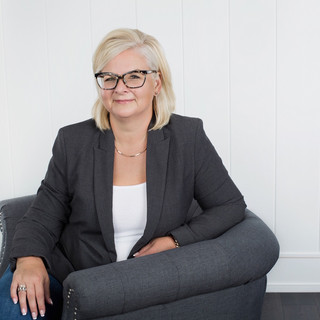
I’m Suzanne Hallam, CAPS-certified Interior Designer and owner of Above & Beyond Interiors Inc. After conducting in-home assessments across York and Durham Regions, I’ve personally walked through many homes that looked perfectly fine on the surface, but were hiding serious fall hazards.
This guide highlights some of the most common fall risks I see in homes and the practical changes that can help reduce them.

Areas of the home that create the highest fall risk
Many fall hazards become invisible through familiarity. Over time, homeowners stop noticing small risks because they navigate the same spaces every day. A professional set of eyes helps identify the areas that may no longer stand out but still create significant safety concerns.
Bathrooms:
Bathrooms are one of the highest-risk areas in the home due to wet floors, low toilet seats, tub entries, sharp corners and limited support surfaces.
Simple upgrades such as grab bars beside toilets and showers, non-slip bath mats, improved lighting, raised toilet seats, and walk-in or low-threshold showers can significantly improve both safety and confidence in the space.
Stairs, hallways, and transitions:
Poor lighting, clutter, uneven flooring and lack of handrails increase fall risk throughout the home.
Common concerns include staircases without handrails on both sides, uneven flooring transitions, loose cords or edges of area rugs and dark hallways or nighttime walking paths that become harder to navigate safely.
Kitchens and bedrooms:
These spaces often feel safe because they’re familiar, but they still create risk. In kitchens, reaching overhead or bending to reach into low cabinets can affect balance.
Sharp corners on countertops can cause harm if you fall. In bedrooms, poor lighting and clutter near the bed can increase nighttime fall risk.

High-impact changes that don’t require a full renovation
Many effective fall prevention upgrades are affordable, straightforward, and can be completed without a major renovation. Small changes throughout the home often create the biggest impact when it comes to long-term safety and independence.
Flooring and lighting:
Removing runners or securing loose area rugs everywhere in the home, adding non-slip surfaces in bathrooms and kitchens, installing motion-sensor night lights, and improving lighting in hallways, staircases, and entrances can dramatically improve the ease of mobility without fear of losing balance or falling. Lighting improvements are one of the easiest, highest-impact changes homeowners can make.
Grab bars and handrails:
Today’s grab bars are stylish and come in a wide variety of finishes and styles, and can blend seamlessly into the design of a home. Recommendations often include adding grab bars beside toilets and showers, installing handrails on both sides of staircases, and reducing or removing raised flooring transitions between rooms.

A Note about Physical Fitness
Home modifications address the environment, but physical strength and balance also play an important role in fall prevention.
Programs such as Tai Chi and balance-focused strength training have been shown to help reduce fall risk in older adults. Simple exercises like sit-to-stands from a chair, heel-to-toe walking, side leg raises, and supported one-leg balance holds are all effective starting points. Consistency matters more than perfection, and small improvements over time can make a meaningful difference.
Annual eye exams & hearing checkup:
Vision and hearing changes can increase fall risk, especially in low-light environments or unfamiliar spaces.
Regular eye exams and hearing evaluations can help support both safety and independence.

Why a professional home assessment matters
At Above & Beyond Interiors Inc., assessments examine how someone moves through and uses their home on a daily basis, identifying specific concerns. This includes traffic flow, lighting, flooring transitions, bathroom safety, furniture placement, stair access, and overall mobility needs. Assessments are available both in-person and through virtual consultation.
One of the most common concerns homeowners have is that safety upgrades will make their home feel clinical.
Modern aging-in-place design focuses on creating spaces that remain beautiful, functional and supportive of long-term independence. Safety and good design absolutely work together.
Your 2026 fall prevention action plan
Start by removing or securing loose rugs, improving nighttime lighting and adding grab bars in bathrooms before they’re urgently needed.
Scheduling a medication review, booking regular eye and hearing exams, and beginning a simple balance and strength routine can significantly reduce fall risk over time. These small changes can make a meaningful difference in staying safer and more confident at home.
If you’d like guidance on creating a safer, more accessible home, Above & Beyond Interiors Inc. offers personalized Aging-in-Place home assessments designed to help homeowners understand what their space needs to better support long-term independence. Serving homeowners across York and Durham Region since 2018.


Comments